Search Results
479 results for “Calm environment”
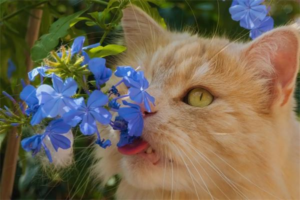
Common Postpartum Diseases in Mother Cats and Their Prevention
After giving birth, mother cats are prone to several conditions — pyometra, poor milk let-down, mastitis, and postpartum depression. Most stem from infection or hormonal changes in the 2–3 weeks after delivery. Good hygiene, balanced nutrition, and a calm environment are the cornerstones of prevention.

What to Do When a Hamster Is Afraid of Its Owner?
A hamster fears its owner mainly from environmental change, rough handling, timid personality, or stress. Win its trust with a quiet hiding-rich cage, gradual contact from a distance to food luring, gentle touch, scheduled feeding, and a calm environment—always with patience.

Why Do Dogs Get Hiccups?
Dog hiccups are usually harmless - caused by eating too fast, gassy food, stress, or a chill - but frequent hiccups with other symptoms can signal illness. A slow-feed bowl, water, and a calm environment usually settle them.
Why would a mother cat eat her kittens?
A queen may eat kittens due to her own malnutrition, weak maternal instinct, panic from outside stress, or detecting unfamiliar smells on them. Provide good nutrition, a calm environment, and avoid handling newborns with foreign scents.

Why Does My Cat Keep Sticking Out Its Tongue?
A cat that keeps its tongue out is not always being cute, it can signal an underlying issue. Mild tongue protrusion is normal when a cat pants to cool down in heat, but it may also point to respiratory problems such as infection, asthma, allergies, or a foreign object in the airway, often with coughing or labored breathing. Oral pain, stress and fear, and certain heart conditions can also cause it. Provide a cool, calm environment and comfort a stressed cat, but if the behavior persists or comes with other symptoms, have a veterinarian check for respiratory, oral, or cardiac causes.

What to Do If Your Guinea Pig Won’t Eat?
A guinea pig that loses its appetite can signal illness—such as a cold, intestinal parasites, or dental problems—or simpler issues like a monotonous diet, spoiled food, a move, stress, or poor digestion. Because these animals are sensitive, the key is to find the cause and act. Offer varied, nutritious food (vegetables, fruit, pellets), encourage gentle daily exercise like walks or play to aid digestion, and watch its body closely so any health problem gets veterinary care quickly. With the right diet, a calm environment, and attention to its mood, most guinea pigs regain their appetite.
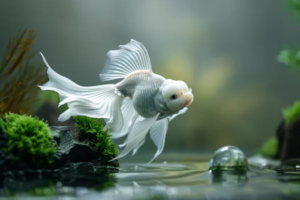
How to Get a New Silver Arowana to Start Eating
The silver arowana is a premium tropical fish that needs patience; a new fish should rest and adjust before it feeds. Keep the water clean and stable, hold the temperature at 25 to 28 degrees Celsius with a heater, and offer high-protein food such as fresh fish or quality pellets while watching which it prefers. Give a quiet, calm environment with minimal disturbance, and if it refuses food for a long time, a little aquarium salt can curb bacteria and fungi and spark appetite.

What to Do About Cat Stress (Stress Response)
Stress weakens a cat's immune system and can trigger bladder, gut, and breathing problems along with anxiety. A calm environment, a safe hideaway, and patience help; good early socialization prevents much of it.

What Are a Pet Rabbit’s Habits?
Pet rabbits are clean and dryness-loving, timid and noise-shy (a fright can stall a doe's labour), cold-hardy but heat-sensitive (adults like 15–25°C, kits 30–32°C), nocturnal feeders (up to 75% of food at night), keen burrowers, and same-sex squabblers — so give them a dry, quiet, cool, burrow-friendly home and nightly meals.

Preventing and Treating Lice Infestation in Rabbits
Rabbit lice are an external parasitic disease driven by damp, dark housing that lets lice bite the skin and trigger intense itching and inflammation. Isolate affected rabbits, disinfect the hutch, and treat with neem leaves or a stemona (Baibu) wash or trichlorfon powder. Good sanitation and a dry, airy environment are the best defense.