Search Results
479 results for “Calm environment”

How to Manage a Cat’s Frequent Soft Stools
Frequent soft stools usually come from a sudden food change, allergy, bad food, parasites, or gut-flora imbalance. Keep a food diary, switch foods over 7 days, add a cat probiotic, cut environmental stress, and deworm regularly; if it persists with weight loss, a fecal test and prescription diet may be needed.

Can Dogs Bully Each Other? How to Tell and Step In
Dogs can bully each other — one dog persistently dominates and intimidates another that never gets a turn. Unlike mutual play (roles switch, bodies stay loose), bullying is one-sided and tense. A bullied dog may fear certain places, lose appetite, over-groom, or turn aggressive, so step in early and manage playmates, time, and the environment.

Which Dog Breeds Rarely Bark?
Naturally quiet breeds include the Rottweiler, French Bulldog, Pug, Shiba Inu, Basenji, Great Pyrenees, Papillon, Shetland Sheepdog, and Bernese Mountain Dog. Every dog is an individual, though, so personality, training, and health all affect how often a dog barks.

Signs of Social Anxiety in Dogs
Dog social anxiety shows as tucked tail, trembling, and hiding from new people, places, or dogs; some over-react with aggression or frantic excitement. Manage it with early socialization, a long lead to control distance, positive rewards, a calm low-noise home, and a pro trainer for severe cases.

How to Prevent Feline Idiopathic Cystitis (FIC)
Feline idiopathic cystitis is tied to stress, low water intake, and holding urine. Lower the risk by keeping the home environment stable and calm, encouraging drinking with fountains and wet food, and scooping and sanitizing the litter box in a quiet spot.

How to Help Your Rabbit Live Longer
A longer rabbit life comes from a dry, calm, 15–25°C environment, a balanced diet of hay, pellets, and limited fresh produce, regular parasite control, daily exercise, and gentle handling. Avoid frequent baths, tap water, and too much watery food, which can cause stress or diarrhea.

Which Cat Breeds Are the Fiercest Fighters?
Breeds with real fighting ability include the Maine Coon, Norwegian Forest Cat, wild Leopard Cat, Chinese rural cats, Bengal, and Siamese. Most are gentle at home and only show aggression when threatened — a sudden spike in aggression can signal heat, fear, pain, or a changed environment.
Why does my cat make a huffing or puffing sound?
A cat's huffing may reflect unstable emotions in a new environment, in which case give it space and time. If accompanied by eye or nose discharge, lethargy, or appetite loss, it may signal a respiratory infection.

How to Choose a Cat with a Good Temperament
A good-tempered cat shows in its breed tendencies, social behavior, playfulness with a wand toy, comfort being held, and calm upbringing. Kittens handled by people before about 3 months old usually grow into gentler adults — but temperament can still shift with love and training.
What to Do When Your Cat Hisses at You
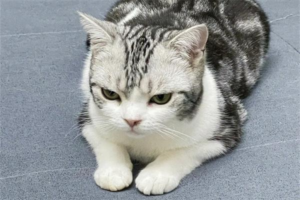
Cats hiss from feeling threatened—new environments, food guarding, hunger, protecting kittens, pain, or a touched 'no-go' zone like the belly or paw pads. Don't hit back; redirect with treats or toys, use a calm voice, and if hissing is new or constant, rule out illness with a vet check.