Search Results
479 results for “Calm environment”

Caring for a Chinchilla
Chinchillas are delicate vegetarians that often die from wrong food and heat. Choose a healthy, calm youngster, house it in a plastic-free cage at 8–25°C, feed a hay-based diet, and keep its environment quiet and let it clean itself in dust baths.

Brazilian Turtle (Red-Eared Slider): Form and Habits
The Brazilian turtle (red-eared slider) is a freshwater turtle kept for food, health and looks. It is colorful with red and green head stripes and a red patch behind the eye, lively and fast for a turtle. It eats mostly animal food, prefers quiet clean water, is sexually dimorphic (males have longer thicker tails and a concave plastron), and is oviparous, mating May–August and laying 3–4 clutches a year.

How to Improve the Survival Rate of Young Rabbits
Weaned rabbits under three months old have the lowest survival rate of any age group, with more than half of deaths caused by digestive disorders. Boost survival by minimizing stress during the transition, keeping a calm and clean environment, feeding small frequent meals of digestible high-fiber pellets, and following a strict vaccination and coccidiosis-prevention program.
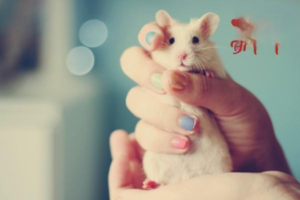
Caring for a Roborovski Hamster
The Roborovski (or 'father' dwarf hamster) is tiny and timid, so it needs a warm acrylic cage, a calm adjustment period, and a varied but careful diet — avoid loquat, peach and spicy food. Watch for cheek-pouch inflammation and clean the scent gland regularly.

What Your Dog’s Different Facial Expressions Mean
A dog's face shows its mood: ears up with a closed mouth means calm, ears forward with a slightly open mouth means curious, ears back and mouth open means affection, while ears back and mouth slightly open signals nervousness. Ears forward with a C-shaped open mouth is a pre-attack warning, and flattened ears with bared teeth mean fear and a readiness to bite.

How to Tell Male and Female Blood Parrot Cichlids and Breed Them
Blood parrot cichlids are beautiful, smart ornamental fish loved for their color and odd shape. To breed them, first learn to tell males from females, then the breeding method. This article covers both.

What to Do When Your Guinea Pig Won’t Let You Touch It
Guinea pigs are seen as cute, gentle pets. But when still unfamiliar with the owner, a guinea pig may refuse to be touched and can resist or even bite when you try to interact. So what should you do when your guinea pig won't let you handle it?
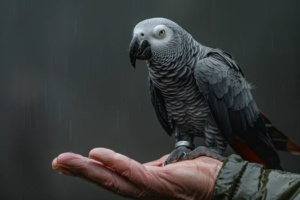
How to Tell If a Parrot Likes You
Parrots show affection subtly - calling when they see you, letting you touch them, lowering their head, flying to you, or gently mouthing your hand all signal trust. Bonding grows from meeting their needs, providing security, regular interaction, and toys.
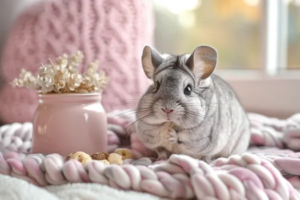
How Long Do Shih Tzu Bear Hamsters Live? How to Care for Them
The Shih Tzu bear hamster, bred from the golden (Syrian) hamster, lives about 3–4 years, with lifespan tied to care. It has long fur, a small body, black eyes, a broad face, a small appetite, and little waste, and is strongly solitary—house one per cage except when breeding. Feed a simple diet with cooled boiled water and avoid watery produce that upsets its weak gut; groom its long coat, keep the home dry to prevent skin disease, and block its clever escape routes.
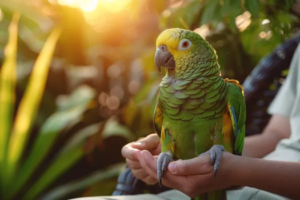
What to Do If a Newly Bought Budgerigar Is Very Afraid of People
Budgerigars are timid and sensitive. Just home and not yet used to the new environment, they may be extra nervous, refusing food and water and scrambling or hitting the cage when someone approaches. Here is how to handle a budgie that is afraid of people.