Search Results
479 results for “Calm environment”

How to Treat Arowana Enteritis?
There are many causes of arowana enteritis, and treatment differs by cause. To treat well, first determine the cause, then treat accordingly. Our veterinarian details common causes and treatments, hoping to help.

Why Won’t a Newly Bought Parrot Eat or Drink?
It is common for a newly bought parrot to refuse food and water for a day or two — usually out of fear of its new surroundings and a sudden change in diet. Keep the environment calm, provide food and water, and cover the cage if it stays frantic; watch for ruffled feathers, lethargy, or diarrhea, which point to a sick bird.
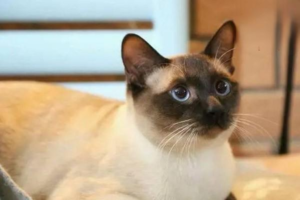
What Different Cat Eye Expressions Mean
Cats cannot speak, but they express emotions with their eyes. As an owner, do you read them? Different gazes reflect different moods. Our team helps you understand.
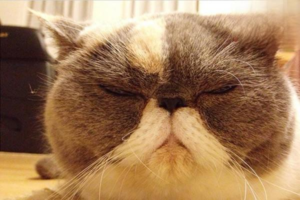
What to Do When a Scared Cat Ignores Its Owner?
A frightened cat easily stresses and may ignore its owner. Avoid scaring it. If it ignores you after a scare, our team shares solutions.

How Long Can a Parrot Survive Without Eating, and What to Do
A parrot that suddenly stops eating may be ill or rejecting food; without food and water it may survive only 3-5 days, or about 10 with water. Causes include environment or diet change and disease. Observe, keep things calm and clean, and see a vet if diarrhea, fever, or lethargy appear.

Why Arowana Lose Color and the Risks of Forcing Quick Coloration
Arowana can fade because of heat, poor water quality, or long-term pigment feeds, and some fading is permanent. Many keepers chase rapid, vivid color, but the tricks used—restricted feeding, lower temperature, lower pH, reduced water flow—stunt the fish's growth and rob it of its natural stature. Balanced development matters more than looks.
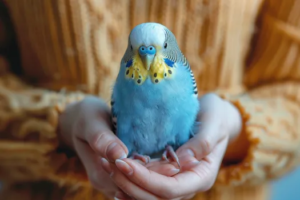
Signs That Your Lovebird Is in Breeding Condition
Lovebirds breed too, so hormonal behavior is normal and not a worry. It is triggered by long light, rich food, rough petting, or nest-like spots, and shows as grumpiness, hip-swaying, regurgitating food, and mating calls.

Why Is My Parrot Fish Turning Black?
A parrot fish turns black from fright (stress), sudden environment or water changes, or genes (some carry black-spotted ancestry that fades with age). Rule out wounds with poor water that invite fungus; keep water stable at 25-28 C, pH 6.5-7.0.

Why Your Budgie Screams at Night and How to Stop It
Budgies are diurnal and normally settle down at night, so persistent screaming after dark usually signals stress, hunger, or a disrupted routine. Common triggers include fright, an off schedule, nighttime noise, and an unstable perch. You can quiet a noisy bird by fixing its light and quiet, offering food and water before bed, and using calm, consistent training.
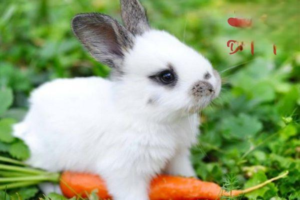
Should Rabbits Fast Before Spay or Neuter Surgery?
Rabbits should NOT be fasted before spay or neuter — they do not vomit under anesthesia, and an empty gut raises the risk of fatal gastrointestinal stasis. Spaying females at 1–2 years and neutering males around 6 months lowers reproductive-disease risk, and after surgery keep the environment calm, offer plenty of water and food, and watch the incision for infection.