Search Results
899 results for “Breed temperament”

Alaskan Malamute vs. Husky: Key Differences
Alaskan Malamutes and Siberian Huskies look alike at a glance, but they differ clearly in size, tail carriage, eye color, ear shape, coat, and temperament. Knowing these traits helps you choose the right cold-weather companion for your home.

How Much Does a Black Labrador Cost?
Black Labradors run about 3,000 to 10,000 yuan, less common than the popular pale and yellow coats. Color does not change temperament, every Lab is known for the same gentle, friendly nature that makes it a great family and service dog.

How Much Does a Golden Retriever Cost?
A Golden Retriever typically costs 1,000 to 5,000 yuan, affected by looks and coat quality. The breed evolved from various hunting dogs into the well-known "big warm dog," friendly and easy to keep, but it needs controlled portions and a leash outdoors.
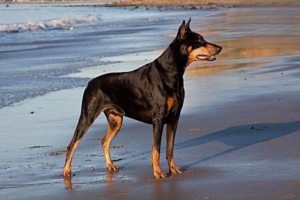
How Much Does a Pharaoh Hound Cost?
The Pharaoh Hound is a rare, noble sighthound prized for speed and hunting ability, with pet-quality prices roughly 3,000–10,000 yuan and show lines costing far more. Its high energy and banned-in-some-cities temperament mean it suits active owners with space, not apartment life.

How to Feed a Cat Properly
Feed cats on a fixed schedule and spot with steady portions, and do not let them free-feed, since about 90 percent self-regulate but obesity still brings health trouble. Never give dog food to a cat, their protein and fat needs are far higher.

Should You Spay or Neuter Your Dog?
Neutering curbs roaming and mating-driven aggression, lowers the risk of reproductive cancers and infections, and steadies a dog's temperament — but it also carries surgical risks and can slow the metabolism. For most dogs the long-term health payoff outweighs the drawbacks, though your veterinarian should weigh in on the right timing.

Cats for Busy Professionals: How to Make It Work
A full-time job is no barrier to a happy cat — pick a resilient mixed-breed (or adopt), and if your hours are long, take home two littermates so they keep each other company through the day. Adults need less hands-on care than kittens, and a neutered male is typically the calmest, cuddliest companion.

Why Your Cat Doesn’t Bond With You
A cat that won't bond usually missed its socialization window — weeks 4 to 9, when calm exposure to new things (vacuum, dryer, people) teaches a kitten to trust. Good breeders play with each kitten daily through three months for exactly this reason, and caged cats rarely get it. Miss the window and the cat stays insecure, but with far more time and patience most still grow attached to their owner — just wary of everyone else.

Factors That Affect How Well You Train a Dog
A dog's training outcome depends as much on the handler's approach as on the animal itself. Patience without harshness, a single consistent trainer, a gradually busier environment, and methods matched to the dog's temperament all decide how fast and how well the lessons stick.

Exercise and Reproductive Care for Dogs on Walks
On walks, use the right leash (a harness for small breeds, a collar for training), avoid hot pavement and tick-heavy brush, build exercise up slowly, and never walk a dog from a bike or scooter. For reproductive care, know the bitch's roughly six-month, two-week heat cycle, keep her leashed to avoid stray mating, and consider neutering around age one to curb roaming and disease.