Search Results
301 results for “Breed genetics”
My erect-eared Teddy’s ears suddenly stopped standing up. What should I do?
Sudden ear drooping in an erect-eared Teddy may be genetic, as the breed has mixed genetics and may carry droopy-ear genes. Try massaging the ear base daily to improve circulation, and supplement calcium since deficiency can affect ear posture.
What color are a Pomeranian’s paw pads?
A Pom's pads are usually pink or black, depending on breed and health. White Poms mostly have pink pads due to genes; most have black pads from pigmentation, heredity, and later wear. Some have dark brown pads, lighter than black, also from genes and pigmentation.
How can you tell how big a puppy will get?
A puppy's adult size depends mainly on breed, genetics, and environment. Estimate by: 1) observing the parents' size, since offspring resemble them; 2) checking the breed standard for height/weight range; 3) noting that a cramped environment or poor nutrition causes stunted, small, weak growth.
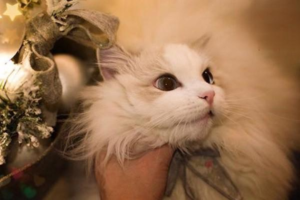
Why Is My Cat So Thin, and How to Fatten It Up
A thin cat may be genetically slim, underfed, picky, parasitized, in season, or ill. Match the cause: better food, drop the junk snacks, deworm, or spay - and aim for a healthy standard weight, not fat.
Why do cats develop glaucoma?
Feline glaucoma relates to genetics, age, sex, breed, and nutrition. Heredity is a main cause; if parents or grandmother had it, the cat may too. Risk rises with age, and males are more prone. Persians and Burmese are higher-risk breeds. Feed reasonably, control weight, and avoid excessive stress to lower risk.

How to Help Your Dog Lose Weight
Weight loss is simple math: burn more than it eats. Cut fat and calories with light or diet kibble, then add exercise from longer walks to runs. If obesity comes from disease, hormones, or genes, follow a vet - and expect a long campaign.

Secrets to Bringing Out Your Arowana’s Color
An arowana's base color is determined by genetics and cannot be changed, but proper measures can help bring out its color. Here we share some secrets to enhancing your arowana's coloration, so yours grows more beautiful under your care.

What Are the Symptoms of Pancreatitis in Dogs?
Dog pancreatitis is a serious, common disease driven by rich human food, genetics, or obesity. Signs are repeated vomiting and diarrhea, lethargy, fever, and abdominal pain with a stiff, hunched posture. Prevent it with fresh food and regular exercise.
Why do some cats have short tails?
Tail length is genetic; some breeds are born short-tailed (Maine Coon, Ragdoll, British Blue) due to gene mutation, not disease. Some lose tail length from injury (car, bite). Overall, short tail is from genetics or injury and generally doesn't affect normal life.
Why are Dachshund ears so large?
Large ears come from genetics and functional needs. Genetic genes give the breed big ears; the large ears and small muzzle make the head look round. Dachshunds have drop ears that hang to the mouth or chin and are very soft.