Search Results
918 results for “Blood in stool”

The Benefits and Risks of Pumpkin for Cats and Dogs
Although cats and dogs are meat eaters, a sensible amount of plain pumpkin supports digestion, urinary health, weight control, and hairball passage. Served correctly, it's a safe, natural addition to many pets' diets.

Why Your Cat Won’t Eat Its Food
A cat that refuses food needs attention — some causes are simple, others serious. A vet will ask about recent diet and household changes and run tests to find the reason, and prompt care leads to good outcomes for many conditions.
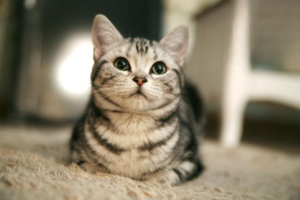
Is Your Cat’s Vomiting a Sign of Illness?
Occasional vomiting in cats has many causes, from harmless hairballs to serious disease. Knowing which warning signs point to a real medical problem — and what to track before you call the vet — helps you act at the right time.

Cat Vomiting: Causes and How to Tell What’s Wrong
Cat vomiting has dozens of causes—from eating too fast and hairballs to infections, toxins like lilies, and organ disease. Telling active vomiting from passive regurgitation, then reading the vomit, frequency, and your cat's energy, narrows the cause before a vet visit.

Why Is My Samoyed Vomiting?
Samoyeds vomit for many reasons, from a harmless bout after overeating to parasites, poisoning, or serious illness. Checking their diet, deworming history, and any companion symptoms such as diarrhea or fever helps pinpoint the cause.

Why Is My Miniature Schnauzer Vomiting?
Miniature Schnauzers are sturdy dogs, but they still vomit from time to time. The key is what comes up—undigested food versus yellow fluid—and whether warning signs like blood, fever, or lethargy appear. Most routine cases settle with a probiotic and rest.

Do Ragdoll Cats Get Diarrhea Easily?
Ragdolls have more sensitive stomachs than the average cat, so diarrhea is common. Causes range from spoiled food and stress to parasites and, in severe cases, panleukopenia—most mild cases settle with brief fasting, but vomiting with blood or lethargy means a vet visit.

How to Deworm a Cat With Parasites
Once a cat picks up parasites, it's a real problem because they can stunt growth and even kill. Roundworms, hookworms, filarial worms, and tapeworms each have their own signs. A proper internal and external deworming routine, timed around meals, clears them and keeps them away.

How Dogs Catch Parvovirus
Canine parvovirus is a highly contagious gut disease of dogs, especially puppies, causing vomiting, diarrhea, dehydration, and sometimes death. It spreads through infected waste and saliva and survives in the environment for months. Vaccination and quick vet care are key.

Can Feline Distemper Spread to Dogs
Feline panleukopenia, commonly called cat distemper, is highly contagious among cats but does not spread to dogs. Kittens are most at risk, and the disease can be fatal without prompt care. Vaccination and isolating sick cats are the cornerstones of prevention.