Search Results
918 results for “Blood in stool”
Symptoms of Coccidiosis in Cats
A cat with coccidiosis typically has watery diarrhea or soft stools with mucus and blood, along with lethargy, poor appetite, vomiting, and indigestion; the coat becomes rough and dull. Without prompt treatment the cat grows emaciated and weak, threatening its life. Coccidiosis is especially common in kittens, so regular deworming and prevention are essential.

What Are the Symptoms of Canine Coronavirus?
Canine coronavirus is a fast-spreading intestinal virus that looks a lot like parvovirus. Infected dogs become lethargic and lose their appetite, then develop persistent vomiting and foul-smelling, watery diarrhea that may carry a little blood—often in recurring bouts. Puppies are especially vulnerable, while adult dogs usually recover. There is no specific cure; treatment is supportive (fluids, anti-emetics, gut protectants, and a recovery diet), and prevention through vaccination and good hygiene is the most reliable defense.
How to Care for a Dog with a Sensitive Stomach
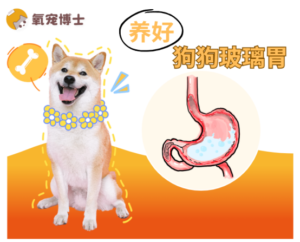
A weak gut hurts more than digestion—it drags down nutrient uptake and immunity. Causes range from sudden diet changes and parasites to infection, chronic gut disease, and stress. The fix is a gentle, single-source diet on a fixed schedule, a careful transition to new food, light toppers like pumpkin or boiled chicken, and pet probiotics. Keep the belly warm and add gentle exercise; see a vet for persistent vomiting, blood, or lethargy.

How Many Meals a Day Should Your Dog Eat, and How Much?
Feeding rhythm matters as much as the food itself. Puppies under a year need four down to three small meals a day to fuel growth without overloading the gut; adults do well on two; seniors return to three. Adjust for obesity, high activity, or sensitive stomachs. Portion size follows the bag's guide, then fine-tunes with stool quality, body size, and exercise. Match the plan to the dog, and you've got it right.

Can Dog Parvo Infect Humans?
Canine parvovirus does not infect people—it's a canine-only virus with no ability to cross species to humans. Owners should focus on saving the dog and stopping dog-to-dog spread, not on catching it themselves. Parvo is extremely contagious and often fatal among unvaccinated dogs, especially puppies, so fast veterinary care and thorough disinfection at home are what matter.
Cat Has Chronic Diarrhea? It’s More Than a Sensitive Stomach
Long-term diarrhea in cats is rarely just a 'delicate stomach' you can fix by swapping food or adding probiotics. Diet and food allergy are common, but so are parasites (some needing specific drugs), inflammatory bowel disease, and metabolic diseases like pancreatitis, hyperthyroidism, or kidney disease. Stress is a third driver. Work through the causes step by step and let a vet run the right tests.

Does a Scratching Cat Always Have Parasites?
A scratching cat doesn't automatically have worms. Itching can come from parasites, but also from skin disease, allergies, dry skin, or even stress. Anxious cats may over-groom until they damage their own skin, creating a vicious itch cycle. If scratching continues after a dewormer, or comes with hair loss, redness, bumps, ulcers, or heavy scaling, it's time for a veterinary check rather than more flea treatment.

Why Does Dog Poop Start Dry Then Turn Loose?
When a dog's stool is dry at the start and loose at the end, it means the gut absorbed water unevenly: the first part sat long and dried out, while the last part moved through too fast to dry. Common, mild causes are diet change, holding stool too long, stress, or gut-flora imbalance. Persistent cases or those with blood, vomiting, or pain can signal megacolon, colitis, or other illness and need a vet.

Is It Normal for Cat Poop to Come in Segments?
Segmented-looking cat poop isn't automatically a problem. If the stool is basically a continuous log with a few cracks and your cat acts normal, it's usually just how the colon forms stool. But hard, stone-like lumps, blood or mucus, straining, or no bowel movement signal early constipation. Boosting water, adding wet food, and daily brushing for hairballs are the first steps; see a vet if it doesn't improve.

How Is Dog Intestinal Obstruction Treated?
Intestinal obstruction splits into complete and partial forms; complete blockage is more dangerous, risking gut death, perforation, and shock, while partial cases start mild but can become complete if ignored, so treat early either way. Diagnosis uses abdominal X-ray or ultrasound to see gas, fluid, and the object. Treatment usually means surgery to remove the blockage, with partial or stable cases sometimes starting on fluids and support first; tumors or severe damage may require removing part of the bowel. Most dogs recover with prompt care, but delay can be fatal.