Search Results
921 results for “Blood in stool”

Benefits of Giving Dogs Bones
Dogs naturally love to chew bones, and many owners feed them bones regularly. Chewing bones has real benefits, but it also hides dangers. This article covers the pros and cons of bones and how to offer them safely.

Causes and Treatment of ‘Dog Turning Intestines’ (Parvovirus)
'Dog turning intestines' is the folk name for canine parvovirus (enteritis), common in spring and winter. It is highly contagious and often fatal. If you keep several dogs, isolate the sick one at once and disinfect thoroughly.

Symptoms and Treatment of Canine Parvovirus
Canine parvovirus, also called 'dog turning intestines,' is a very serious contagious viral disease. But it is not untreatable - early detection and early treatment give a dog a good chance of recovery. Here are its symptoms and treatments.

Symptoms and Treatment of Canine Infectious Hepatitis
Canine infectious hepatitis is an acute, contagious septicemic infectious disease caused by canine adenovirus type I. Its main features are fever, jaundice, leukopenia and hemorrhagic centrilobular hepatic necrosis. This article explains its symptoms and treatment.

Symptoms and Treatment of Canine Campylobacteriosis
Canine campylobacteriosis, also called canine fox fever, is a zoonotic infectious disease caused by Campylobacter jejuni that mainly presents as diarrhea.

How to Diagnose and Treat Infectious Canine Hepatitis
Infectious canine hepatitis is an acute septicemic disease that often causes acute necrotizing hepatitis. Its signs resemble distemper and it easily co-infects, making cases worse - and puppies under one year are most at risk. Here is how it is diagnosed and treated.

Types and Clinical Signs of Infectious Canine Hepatitis
By how it develops, infectious canine hepatitis has two types: respiratory (airway signs) and hepatitis (fast onset, clearer signs, often fatal within a day). Here are the types and clinical signs.
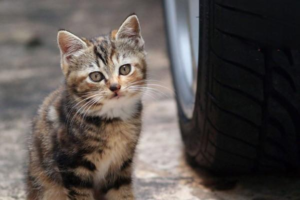
Can Cats Drink Camel Milk?
Cats can drink camel milk because it is lactose-free and unlikely to cause the diarrhea or bloating of lactose intolerance. It is lower in fat and rich in vitamin C and iron, but choose a pet-formulated product from a safe source; low-allergy goat-milk powder remains the safer everyday option.
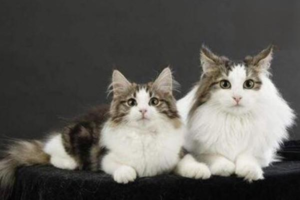
What to Do When a Cat Vomits After Eating Cat Litter
Vomiting after a cat eats litter is usually acute gastroenteritis from gut irritation. Soothe the gut, fix the litter-eating habit, and see a vet if vomiting continues—supportive home care includes short fasting and small, frequent bland meals.

How to Assess a Rabbit’s Health
Check a rabbit's health daily with the "three checks and five looks": check food intake, water, and droppings, and look at spirit, appetite, face, movement, and coat. Early signs—poor eating, odd stools, dull eyes, or skin trouble—mean isolate and treat promptly.