Search Results
921 results for “Blood in stool”
How good is a particular brand of dog food?
A look at one commercial dog-food brand's value, ingredients and a caution on synthetic vitamin K3.

What to Do When Your Dog Has Difficulty Defecating
Straining to poop — painful, prolonged, or incomplete defecation — can be temporary or a sign of something serious. Causes range from simple constipation to masses, hernias, or prostate disease. Here is what the vet checks.

Do Cats Fart?
Cats do pass gas, usually silently and nearly odorless. Diet is the usual cause of smelly, frequent gas, but pairing it with appetite loss, vomiting, or diarrhea means a vet visit.
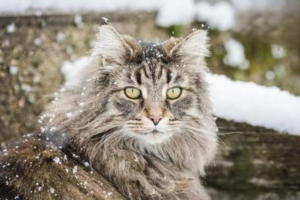
What Is Feline Panleukopenia?
Panleukopenia is a fast, fatal-sounding viral disease — but fear comes from not understanding it. Infection needs three things: a source, a route, and low immunity, so even a cat that never goes out can be at risk.

Dog Gastroenteritis: Causes, Signs, and Care
Gastroenteritis in dogs stems from irregular feeding, bad food, irritants, parasites, or infection, causing vomiting, diarrhea, and weakness. Withhold food briefly, then follow a vet's medication plan.

What to Do When a Dog Vomits Yellow Fluid
Yellow vomit is usually excess stomach acid from an empty stomach, but it can also signal gastritis, pancreatitis, or liver and gallbladder disease. Feed small, frequent meals for hunger-related cases, set a fixed feeding schedule otherwise, and see a vet when another illness is behind it.
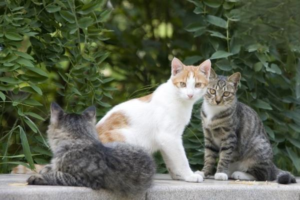
What to Do When Your Cat Has Hepatitis
Feline hepatitis disrupts digestion, mood, and appetite, with early signs ranging from vomiting and pale stools to fever and abdominal discomfort. Recovery hinges on a quiet space that lets the liver heal, a liver-supportive diet, and antibiotics chosen for low toxicity to the liver.

What Medicine for a Dog With Heavy Eye Discharge?
Heavy eye discharge in dogs usually means 'heat' or inflammation — dry hard specs versus soft paste versus red, bloodshot eyes point to different causes, and distemper is a serious possibility. Match the eye drop to the discharge, and see a vet if it persists or comes with systemic signs.
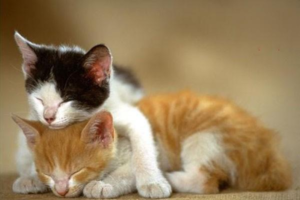
Why Does a Cat Have Recurring Diarrhea?
A healthy cat does not have diarrhea, so recurring bouts deserve attention. The usual triggers are overeating and poor digestion, internal parasites, or gastroenteritis — and when diarrhea comes with vomiting, fever, or refusal to eat, it may be enteritis or even panleukopenia and needs a vet at once.

How to Tell If Your Dog Has Coccidia
Coccidia live in the small-intestine lining and cause blood-tinged, mucus-laden stool, lethargy, and dehydration — worst in puppies. Dogs pick it up from contaminated ground or faeces, so a fecal microscope exam confirms it; treatment is a sulfadimethoxine dewormer plus fluids, with regular cleaning and prevention the long-term fix.