Search Results
103 results for “Bird Care”

Indian Cobra
The Indian cobra (Naja naja) is a highly venomous snake feared by many; its neurotoxic venom attacks the heart, muscles, and respiratory nerves, causing rapid paralysis with little pain at the bite site. One of India's 'Big Four' venomous snakes, it is revered as a sacred serpent and found below 2,000 m elevation.
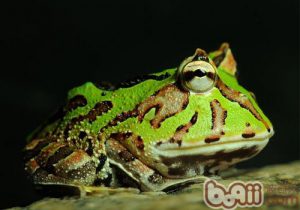
Cranwell’s Horned Frog
The Cranwell's horned frog (Ceratophrys cranwelli) is one of the most commonly kept horned frogs, native to South America. With its big body, short limbs, and warty skin, it is easy to keep and a great choice for beginners, though it must never be housed with other frogs.

Theraphosa apophysis
The Venezuelan Pinkfoot Tarantula (Theraphosa apophysis) is one of the largest spiders in the world, rivaling the Goliath birdeater in size. Rare in trade due to export bans from Venezuela, it is a prized but challenging tarantula for advanced keepers.
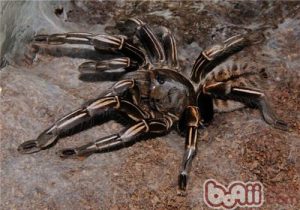
Haplopelma albostriatum
The Thai Zebra Leg Tarantula (Haplopelma albostriatum) is an inexpensive but aggressive burrowing spider from Thailand. Requiring deep, moist substrate and high humidity, it is best suited to experienced keepers who can respect its defensive temperament.

Crocodile Monitor
The Crocodile Monitor (Varanus salvadorii), also called Salvadori's monitor, is the world's longest lizard at about 5 m, a striking black-and-yellow arboreal monitor from Papua New Guinea. Powerful and potentially dangerous, it needs a large, tall, UVB-lit enclosure and is not for beginners.
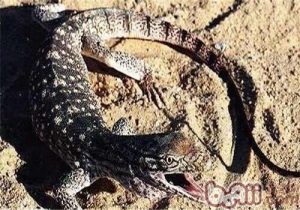
Desert Monitor
The Desert Monitor (Varanus griseus) is a large, fierce monitor of the Sahara and Asian deserts, reaching up to 140 cm and famed for its endurance and venom-resistant diet of snakes and scorpions. Difficult and dangerous to keep, it is not recommended for beginners.

Lace Monitor
The Lace Monitor (Varanus varius), also called the tree goanna, is a large, arboreal Australian monitor lizard reaching about 1.5 m. An active and nervous climber with a striking spotted pattern, it needs a large, warm, UVB-lit enclosure and a varied diet of eggs, insects, and meat.

Chinese Pit Viper
The Chinese Pit Viper (Gloydius shedaoensis), also called the Shedao pit viper, is a venomous, Chinese-endemic snake found on Liaoning's Snake Island and nearby Northeast China. A stout, silver-gray viper with a black brow stripe, it feeds mainly on birds and is listed on the IUCN Red List with roughly 10,000 individuals remaining.

Poecilotheria pederseni
Poecilotheria pederseni, the Pedersen's Ornamental, is an arboreal tarantula from Sri Lanka's rainforests, fast, defensive, and highly venomous. Recommended only for very experienced keepers, it is a popular but challenging member of the ornamental group.

African Keeled Mud Turtle
The African Keeled Mud Turtle (Pelusios carinatus) is a side-necked turtle from Africa, dark gray to black with a keeled shell and a yellow plastron. A gentle, hardy semi-aquatic species that adapts well to captivity and makes a good, if uncommon, community turtle.