Search Results
1856 results for “Bacterial infection”

What Those Red Spots on Your Dog Mean
Red spots on a dog usually point to a skin problem — folliculitis, mange, eczema, or a fungal infection — and each needs a different approach. Because the right treatment depends on the cause, a vet exam or skin scrape is the safe first step rather than guessing with random medication.
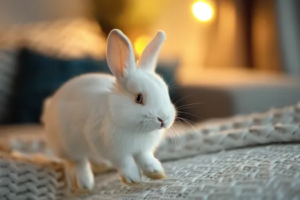
What to Do When a Rabbit Is Lethargic and Won’t Eat
A rabbit that stops eating and loses its spark is often overfed, frightened, bacterial, or battling internal parasites such as coccidiosis. Male rabbits may simply be blocked by a full bladder, while coccidiosis needs prompt antiparasitic treatment — and any unclear case belongs at the vet.
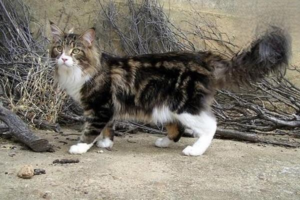
What Causes Abdominal Distension in Cats?
Abdominal distension in cats can signal anything from benign indigestion to serious congenital defects such as anal atresia or polycystic kidney disease. Dietary causes include spoiled ('toxic') milk from an infected queen, while parasites, infections, and simple digestive upset are common culprits. Because bloating ranges from mild to life-threatening, prompt deworming, probiotics, or a veterinary diagnosis is essential.

What Is Inflammatory Bowel Disease in Cats?
Feline IBD is a chronic gut disease where inflammatory cells thicken the intestinal wall and block nutrient uptake, showing as persistent vomiting and diarrhea that won't resolve. Food allergy is the top trigger, with bacteria, parasites, and stress as contributors — so pinpoint and drop the offending food.

Why Does a Dog Keep Scratching?
Frequent scratching usually means something is wrong with the skin: over-bathing or human shampoo, fleas and lice, healing wounds, allergic dermatitis, or eczema from bacterial, fungal, or mite infection. Bathe every 2–4 weeks with pet shampoo, deworm monthly (ivermectin or fipronil outside, albendazole inside), fit an Elizabethan collar on healing wounds, and use chlorpheniramine plus a skin spray for allergies. Small areas of eczema can be treated topically; otherwise see a vet.

What Your Dog’s Waste and Walk Reveal About Its Health
Beyond temperature, pulse, and weight, a walk is the best window into your dog's health — watch its gait, expression, and the color and shape of its urine and stool. Red or dark urine can mean bleeding, cloudy urine an infection, shiny urine crystals, and orange urine jaundice; soft, bloody, or black stool points to digestive trouble. Catch these early and bring a fresh sample to the vet.

Is Blood in Your Dog’s Urine Serious?
Blood in urine is often not an emergency — an intact female in heat or a male's mating injury can mimic it — but true hematuria points to the urinary tract. Blood at the start of the stream suggests a lower infection (urethritis, cystitis), at the end an upper one (bladder bleed, nephritis), and throughout with straining suggests the kidney or ureter; any whole-stream bleeding needs prompt vet care, and a urine sample from the first morning (within four hours) helps diagnosis.
Symptoms and Treatment of Hole-in-the-Head Disease in Blood Parrot Cichlids
Hole-in-the-head disease (head and lateral line erosion) is a common, highly contagious condition in blood parrot cichlids, usually triggered by nutritional deficiencies or poor water quality. Because it spreads easily to healthy tankmates, isolating the affected fish and starting treatment promptly makes the difference between a quick recovery and a worsening infection.

Why Is My Dog Vomiting Yellow Foam and Mucus?
Yellow foam and mucus usually mean gastroenteritis, but the cause can also be parvovirus, indigestion from overeating, irregular feeding, internal parasites, or a swallowed foreign object. Because the causes range from mild to life-threatening, a dog that vomits repeatedly needs a veterinary diagnosis.

Why Is My Cat Having Diarrhea Again?
Diarrhea is loose or unformed stool from food moving too fast through the gut to absorb water and nutrients, and it can be acute or chronic. Causes range from infections, parasites, and diet changes to stress and underlying gut disease; at home, keep water available, feed small frequent easily digested meals, and use smectite or pet probiotics for mild cases — but see a vet for blood, fever, lethargy, or ongoing diarrhea in an unvaccinated cat.