Search Results
1856 results for “Bacterial infection”

Ear-Canal Diseases in Pets: Treatment and Prevention
Ear-canal disease is an infection inside the ear — sounds minor, but you may regret not preventing and caring for it. That's no reason to ignore it!

Symptoms of Canine Distemper
Canine distemper is a highly contagious disease in dogs. Once a dog is infected and shows obvious symptoms, it needs immediate veterinary care.

Causes and Treatment of Abnormal Bleeding in Cats
There are many causes of abnormal bleeding in cats, including diseases related to platelets, clotting factors, or blood vessels. Although these diseases are uncommon in cats, they can occur at any age or breed. This article explains the causes of abnormal bleeding in cats and how to treat it.

Cat Abnormal Bleeding: Diagnostic and Treatment Guide
Abnormal bleeding in cats needs a workup - history, CBC, biochemistry, urinalysis, X-rays, clotting studies, and more - to find the cause (infection, toxin, platelet disorder). Severe cases need IV fluids, transfusion, oxygen, and antibiotics.

What Is Jaundice in Cats and Its Symptoms?
Jaundice is yellowing of skin or mucus membranes from increased blood bilirubin, a bile pigment made from heme in the reticuloendothelial system. As it is excreted in bile, hemolytic disease, liver injury, and bile-duct damage all cause jaundice; thus jaundice is non-specific, and finding its cause needs other signs and history.

What Is Feline Distemper and What Are Its Symptoms?
Feline distemper is the name for acute, highly contagious diseases such as feline panleukopenia and feline infectious enteritis. A cat with distemper shows fever, panleukopenia, vomiting, diarrhea, bloody stool, lethargy, and loss of appetite.
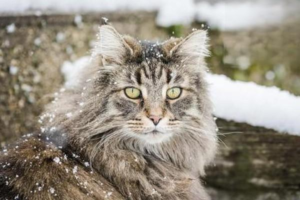
Cystitis in Cats and Dogs: Symptoms, Treatment and Prevention
Cats and dogs with cystitis show slow, painful urination, often assuming the posture but passing only a little urine.

Stud Tail in Cats: Symptoms and Treatment
Stud tail, also called tail gland hyperplasia, is a seborrheic (oil-secreting) disorder. Its incidence is linked to factors such as being unneutered, male cats, and breed (e.g., Himalayan, Persian, Siamese). It is caused by excessive proliferation and shedding of surface cells and overproduction of dander and keratin.

Dog Mite Infestation: Symptoms and Treatment
Canine mange is a parasitic skin disease causing intense itch and eczema, from three mites - sarcoptic, ear, and demodectic. Build skin immunity with vitamins; treat by killing mites and disinfecting the environment.

Common Cat Skin Problems Besides Ringworm
The biggest difference between cats and other animals is that cats are masters at hiding pain—yet there is one condition they cannot conceal: skin problems!