Search Results
1856 results for “Bacterial infection”

Red, Tearful Cat Eyes: Irritation or Conjunctivitis?
Red, watery cat eyes usually signal a bacterial infection or irritation from a dirty environment. A vet should rule out other eye disease, then antibacterial drops can treat it. Daily disinfection of the home and limiting contact with stray cats prevent recurrence.

Puppy Tracheitis and Bronchitis: Symptoms and Treatment
Dog tracheitis and bronchitis come from repeated viral or bacterial infection plus cold, smoke, and dust irritation, but with good home care and the right medication the recovery rate tops 95%. Watch for cough, fever, and breathing trouble.

Schnauzer With Bumps and Scabs on the Skin
Bumps and scabs on a Schnauzer's skin usually point to a parasite problem or a fungal or bacterial infection. Small affected areas can often be managed at home with gentle cleaning and a vet-recommended spray, but widespread or worsening lesions need a vet visit.
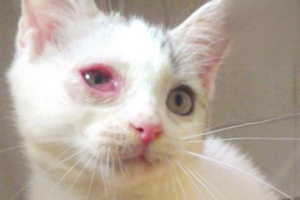
Why One of Your Cat’s Eyes Is Suddenly Red and Swollen
A cat with one red, swollen eye is usually reacting to conjunctivitis, a localized bacterial infection, or — less commonly — an internal viral illness such as panleukopenia. Matching the right treatment to the cause matters, because randomly applying eye drops can make the problem worse. Watch for other symptoms such as digestive upset, and see a vet if the eye does not improve.

What to Do When a Kitten’s Eyes Are Crusted Shut
Heavy eye discharge that mats a kitten's eyes usually means irritation from diet or a bacterial infection such as conjunctivitis. Lighten the food, keep the eyes clean, and use vet eye drops if redness appears — and see a vet if it will not clear.

What to Do About Pus-Like Eye Discharge in Cats
Thick, pus-like eye discharge is a warning sign, not just dirt. It can come from a hot, fiber-poor diet, conjunctivitis, or a viral or bacterial infection — and because the eyes often signal inner trouble, persistent discharge means a vet visit.
Why are the gaps between my dog’s toes red and dry?
Redness and dryness between a dog's toes is usually a fungal or bacterial infection, or irritation from a toe caught in cage bars during long confinement. Letting the dog walk on open floor (or adding a soft pad) and keeping the paws dry usually resolves it; for an infection, clean with an antiseptic and disinfect the living area.

Preventing and Treating Mange Mites in Rabbits
Rabbit mange is an external parasitic disease caused by sarcoptic and psoroptic mites, threatening entire herds if not controlled early. It appears as skin mange (body) or ear mange, with itching, hair loss, and crusting. Prevention centers on dry, clean housing and quarantine, while treatment uses trichlorfon, ivermectin-type drugs, or medicated baths.

Pet Vomiting (Part 3): Vomiting from Internal Parasites and Toxicity in Dogs and Cats
Internal parasites living in a dog or cat's gut irritate the intestinal lining and trigger vomiting, sometimes expelling visible worms. Food poisoning causes far more violent vomiting along with seizures and drooling, and demands immediate induced vomiting and gastric lavage. Routine deworming and keeping toxic foods — onions, grapes, chocolate, macadamia nuts — out of reach are the best defenses.

Treating and Preventing Otitis Externa in Dogs
Effective treatment of dog ear infections starts with a deep clean and then targets the cause—parasites, fungi, bacteria, allergies, or growths—while severe cases need a vet. Prevention is simpler: don't over-bathe, keep the ears dry, and deworm and disinfect the environment on schedule.