Search Results
1856 results for “Bacterial infection”

What Is Canine Brucellosis
Canine brucellosis is a contagious bacterial infection of dogs caused by Brucella canis. It is best known for causing abortion, infertility, and hidden inflammation in many tissues, and most infections are silent. The greatest risk comes from infected pregnant females, which shed huge numbers of bacteria in the fetus, fluids, and afterbirth at 40-50 days of pregnancy. The disease can also infect people, so strict hygiene is essential. Diagnosis combines bacterial culture with blood tests, and affected dogs are usually isolated or euthanized; breeding stock should be tested before mating to keep the infection out of a kennel.

What Causes Cat Acne?
Cat acne, often called cat chin acne, is a common skin condition with no fully clear cause, though follicle inflammation and bacterial infection are the main suspects. Cats that eat wet or greasy food are more prone, and flat-faced breeds are at higher risk. It appears on the chin, neck, and face, and if the face is not kept clean, food residue builds up and clogs follicles. Left untreated it worsens. Treatment controls symptoms and removes the cause: ease stress, use topical and oral antibiotics as needed, keep the skin clean, and cut fat and carbs while adding vitamins A and E. Prevention focuses on hygiene and diet.

Do I Need a Vaccine After a Rabbit Bite?
Generally, you do not need a rabies vaccine after a rabbit bite. Rabies is carried mainly by dogs, cats, bats, and foxes, while rabbits are rodents with a very low chance of hosting the virus, so infection from a rabbit is unlikely. A tetanus shot may be worth considering for deep or large wounds, and a wild-rabbit bite should be checked at an infectious-disease clinic. Whatever the source, wash the wound promptly with warm water and mild soap, then disinfect with iodine or alcohol to prevent bacterial infection.
Treating a Dog’s Vomiting from a Cold
When a dog vomits due to a cold or viral infection, treatment focuses on relieving fever, fighting secondary infection, and good nursing. Fever above 39°C can be eased with a mild injectable analgesic-antipyretic such as Bupleurum injection, dosed by size. Secondary bacterial infection is treated with penicillin or other antibiotics like cephalosporins or fluoroquinolones, preferably by injection. Keep the sick dog warm and well-nourished.
What happens if a dog’s hernia ruptures?
A ruptured hernia easily leads to bacterial infection; if untreated it causes violent vomiting, appetite loss, body-wide pain, and fever, and over time can progress to sepsis and death. Seek prompt surgical repair, then keep the environment clean, ventilated, and dry to avoid wound infection.
What should I do if my dog’s genitals are inflamed?
Genital inflammation in dogs is usually caused by a bacterial infection. Rinse the area with saline or an ofloxacin solution to clear discharge, then apply a dog-specific genital care lotion and ointment, and fit an Elizabethan collar to stop licking. If symptoms are severe, see a vet for oral or injectable anti-inflammatories.
My dog disappeared for a day and came back with these bumps — does anyone know what they are?
Small, round pustules on a dog's belly are usually superficial pyoderma caused by a bacterial infection, often triggered by a damp environment or lying on wet flooring. Treatment involves cleaning the area, draining the pustules, disinfecting with diluted hydrogen peroxide or povidone-iodine, and applying a vet-recommended antibacterial spray, while keeping the dog's surroundings clean and dry.
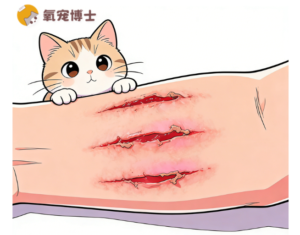
Cat Scratch Disease: A Zoonosis You Should Know
Cat scratch disease is a bacterial infection from Bartonella henselae, passed mainly by a cat's scratch or bite. Cats carry it without symptoms, but people can develop a red bump, swollen lymph nodes, and fever. Most cases are mild and self-limiting, yet antibiotics help when symptoms are strong. Wash any scratch well, and see a doctor if signs appear—especially for children and the immunocompromised.
My cat has a red, hairless, itchy patch around its neck and is going bald
Redness, hair loss, and itching can come from fungal or bacterial infection or external parasites. Get a skin test at the vet to find the cause. Use an Elizabethan collar to stop scratching, and deworm with a skin anti-inflammatory spray if parasites are the cause.
Will my cat’s eye inflammation heal on its own?
Mild inflammation from a foreign-body irritant may settle once the irritant is removed, but infection-driven inflammation usually won't self-heal. Treat promptly — bacterial infections need pet antibiotic eye drops, viral ones need antiviral drops.