Search Results
1856 results for “Bacterial infection”
My cat’s skin suddenly turned pink and a bit pus-filled; I noticed it at night and it kept licking, so I sprayed iodine — is it from being hit or a skin disease?
This is likely skin-disease inflammation from fungal or bacterial infection or wound infection, causing redness, pus, and over-licking. If possible, get a skin cytology at the vet for targeted medicine. If not, use an Elizabethan collar, then disinfect with iodine and apply pet anti-inflammatory, and see a vet if no improvement in a few days.

Why Does My Dog Have a Bump at the Corner of Its Eye?
A bump at the corner of a dog's eye can come from heat-related eye inflammation, an overgrown third eyelid (nictitating gland), or a bacterial infection. Mild heat-related cases improve with a lighter diet, while gland or infection issues need vet care or medication. This article covers the common causes and how to handle each one.
My dog has a red patch on its belly
A red rash on the belly is often superficial pyoderma or eczema from a damp environment and weak skin, leading to bacterial infection. Keep it dry, disinfect with iodine, use antibacterial spray and zinc oxide ointment. White scales/crusting suggest fungus—get a scrape; use antifungal cream and an e-collar.
My dog has a bump on its eyelid but is otherwise fine and shows no discomfort
Red bumps on a dog's eyelid are often caused by insect bites, external parasites, fungal or bacterial infection, or allergic dermatitis. A vet should do a skin scraping to identify the cause and treat it with deworming, antibiotics, or anti-inflammatories.

Why Does Your Dog Have Red Bumps on Its Skin?
Red bumps on a dog are usually a sign of skin disease caused by fungal or bacterial infection, eczema, or parasite bites. Treat mild cases with an anti-itch ointment plus isolation and cleaning; for parasite-related bumps, apply external deworming and prevent spread to people and other pets.

Causes and Treatment of Sunken Eyes in Arowana
Sunken eyes in arowana can come from organ inflammation, bacterial infection, or drug overdose. Use antibiotics, medicated baths, or water changes depending on the cause.
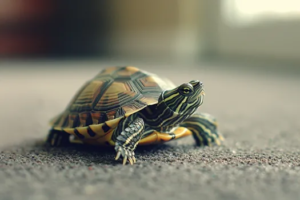
Why Are My Turtle’s Eyes Sunken?
Sunken eyes in turtles are usually from poor nutrition or serious dehydration. Malnutrition comes from illness/parasites or an unbalanced diet; dehydration from dry-keeping without soaking, bacterial infection, or hibernation. Treat the underlying cause, replenish nutrients (fish/shrimp, vitamins) and water, and see a vet if it doesn't improve.

Why Do Arowana Develop Dropsy?
Arowana dropsy is common during seasonal changes and is caused by prolonged high temperatures, poor or aged water, high organic loads, or bacterial infection. Symptoms range from blisters on the gill cover (usually non-fatal) to full-body blisters with severe infection and ulceration. Prevention centers on stable temperature and clean water; treatment uses antibacterial medication in food plus strict water management.
A black bump first grew on her chest, then got bigger and turned green-what’s the treatment?
A green bump suggests pus from a bacterial infection (abscess). Take the hamster to an exotic-pet vet for drainage, debridement, and antibiotics. Self-treatment risks worse infection; if attempted, use peroxide, iodine, gauze, and erythromycin with two people restraining and preventing licking.
My cat has hair loss around the neck with redness and scabs, and scratches until bleeding-what is it?
This is likely ringworm (cat fungus), which causes localized hair loss, itching, round bald patches with scales and scabs, commonly on the face, limbs, tail, and body. Scratching can break the skin and cause secondary bacterial infection. Confirm with a Wood's lamp or skin scraping at the vet, and treat actively.