Search Results
1856 results for “Bacterial infection”
Why is my dog vomiting and having diarrhea?
Usually acute gastroenteritis from bad diet, bacteria, virus, toxin or worms. See a vet to avoid dehydration; treat with anti-inflammatory, anti-diarrhea and anti-vomit meds plus fluids. Virus needs interferon; parasites need deworming after; toxin needs induced vomiting and lavage.
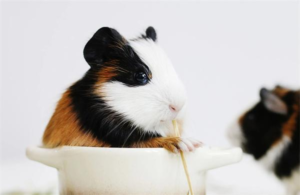
Common Guinea Pig Diseases and Their Symptoms
Guinea pigs commonly suffer digestive troubles (diarrhea, constipation, gut parasites), respiratory infections (pneumonia, bronchitis), skin disease from bacteria, fungus, or external parasites, and urinary issues (cystitis, nephritis). Good diet, clean housing, checkups, and prevention keep them healthy.
My dog suddenly went bald with only dandruff and no redness, what could it be?
Sudden hair loss with just dandruff usually points to a skin issue, fungal, bacterial, mite, or allergic. Check for scaling, itching, rashes, weeping, or pustules and use an Elizabethan collar if he scratches. Fungal cases show scaly crusts needing long antifungal treatment; bacterial show weeping and redness needing antibacterial sprays plus oral antibiotics; allergies show widespread redness and itch needing trigger removal and testing. A cheap skin scraping under the microscope confirms the cause.
What should I do if my dog vomits even after drinking water?
Vomiting even water may signal gut disease or pancreatitis, so find the cause first. Cold food on an empty stomach can upset the gut; try warm water with probiotic. Spoiled food causing poisoning or acute gastritis needs IV fluids and meds. Parasites or pancreatitis also cause severe vomiting, so see a vet.
Why does my cat scratch its ears and shake its head even when they look clean?
A cat that scratches and shakes its head despite clean ears may have been bitten by insects, so check for parasites and deworm if needed. It could also be a foreign object in the ear canal, which a pet ear-cleaning solution can flush out. Infections or injuries around the ear canal can cause the same behavior, so inspect the area.
What medicine should I use for white dandruff on my dog?
White dandruff on a dog does not always need medication, as it can be normal physiological shedding often linked to a dry environment or too-frequent bathing. Supplement with lecithin or fish oil and bathe no more than once a week with pet shampoo. If there is also heavy hair loss or itching, see a vet for a skin scrape to find the cause.
Why is my rabbit pooping blood?
Bloody stool can come from anal bleeding due to constipation, parasites, perianal tumors, hemorrhagic enteritis, or foreign-object scratches. Treat infection with antibiotics plus probiotics, ease constipation, and deworm if worms appear.
Is a Dry Cat Nose a Sign of Illness? Don’t Panic — Here’s What It Means
A dry nose doesn't automatically mean sickness — a normal cat nose is cool and moist, but it dries out after sleep, exercise, in dry/ hot air, with age, or in flat-faced breeds (Exotic Shorthair, Persian) that can't lick it. Worry only if the nose stays dry with cracks or scabs (skin disease, autoimmune issues, B-vitamin lack), or if it's hot with a fever over 39.5°C plus lethargy. Keep the room at 40–60% humidity and watch appetite and temperature.
What causes reddish-brown eye discharge in cats?
Reddish-brown eye discharge can come from irritants or bacterial conjunctivitis/keratitis after injury or infection — flush with saline first, then use antibiotic drops and ointment; see a vet if severe to protect vision. It can also mean the cat is 'overheated' from a salty diet and low water intake, needing a diet fix and daily cleaning. Feline rhinotracheitis (cat flu) can also cause it, with runny nose, fever and appetite loss — see a vet.
What types of skin diseases do cats get?
Cat skin diseases mainly include fungal dermatitis, bacterial dermatitis, allergic dermatitis, and skin problems from parasites or endocrine disorders. In practice, fungal, bacterial and parasitic infections are most common and are contagious, so multi-cat homes must isolate the sick cat and disinfect the environment. Allergy- and hormone-related skin issues usually aren't contagious and may tie to diet — get a vet diagnosis before medicating.