Search Results
1856 results for “Bacterial infection”
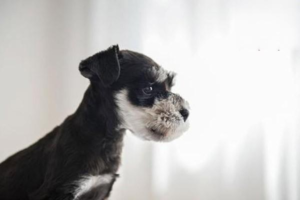
Can a Dog’s Fever Heal on Its Own?
A dog's fever (over 39.5°C) rarely self-heals and can turn serious. Causes include infection, kidney/lung infection, toxins, and vaccine reactions; signs are lethargy, anorexia, and rising temperature—see a vet for a high fever.

What to Do When Your Dog Has a Runny Nose with Blood, and What Causes It?
A dog with a cold usually has clear nasal discharge, or thick pus if inflammation is severe. But a runny nose with blood is more than a simple cold. This article explains the common causes and solutions for bloody nasal discharge in dogs.

Why Is a 3-Month-Old Puppy Coughing from a Cold?
Puppies have weak immunity, so it is common for them to catch a cold and cough when the weather changes or temperatures drop. Prompt treatment is needed to prevent secondary infections such as pneumonia. This article explains the causes and treatment of cold-related cough in puppies.

Why Does Your Dog Have More Eye Discharge?
More eye discharge can come from dietary 'heat,' bacteria or fungi, conjunctivitis, entropion, bath water or trauma, and even ear infection. Find the root cause before treating—only clearing it solves the problem.

Upper Respiratory Diseases in Dogs and Cats: Types and Treatment
Upper respiratory disease is common in dogs and cats, with sneezing, tearing, low appetite, and breathing trouble, and it often triggers secondary infections. This guide covers colds, nosebleed, rhinitis, laryngitis, and tonsillitis, with the drugs that help each.

Why Is Your Dog’s Tail Red and Swollen?
A red, swollen tail is usually ringworm. Bathe and dry regularly, trim the tail hair, disinfect with hydrogen peroxide, boost nutrition, and apply erythromycin—and stop the dog from licking.

Why Is Your Dog Peeing Blood, and How to Treat It?
Blood in urine can come from genital bacteria, toxic foods (onion, chocolate), or urinary disease. Watch the diet, avoid forbidden foods, and see a vet if you're unsure.
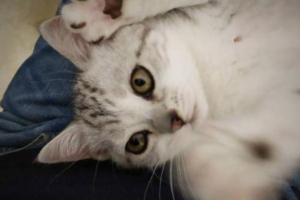
What Causes a Cat’s Black Chin?
A black, greasy chin hurts a cat's looks and is usually cat acne. This article explains what causes it so you can address it.
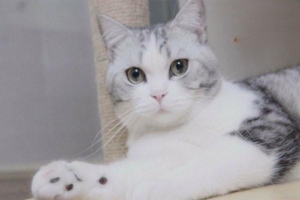
Why Does My Cat Have Stinky Paws
Smelly cat paws usually come from stepping in poop, interdigital dermatitis, sweaty pads, or bad breath. Keep paws trimmed and clean, watch for limping or red skin, and see a vet for infection or stomatitis.

Is Your Cat Turning Yellow a Sign of Illness?
Yellow skin, gums, or eyes in a cat mean jaundice—usually liver trouble from excess bilirubin. It splits into prehepatic, hepatic, and posthepatic types; diagnosis must come from a vet, and posthepatic cases need surgery, not just medication.