Search Results
13 results for “BHA BHT”
Cat Food Ingredients to Avoid, No Matter How Cheap
Not all cat food is created equal, and the ingredient list is the single most reliable way to judge quality. Some products hide preservatives, flavor enhancers, and fillers that can harm your cat over time — from potential carcinogens like BHA, BHT, ethoxyquin, and TBHQ to appetite stimulants such as MSG and pyrophosphate. Other risky additives include propylene glycol, nitrites, synthetic vitamin K3, and thickening gums, while artificial colors and sweeteners add sugar and nothing of value. Because cats are obligate carnivores, diets overloaded with corn, wheat, or soy not only lack nutrition but may trigger allergies and even aflatoxin exposure. Learning to read the label helps you protect your cat from low-grade food, no matter how attractive the price.
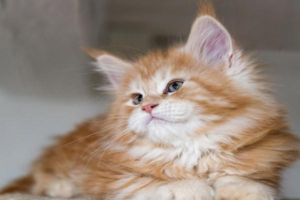
5 Steps to Read a Cat Food Ingredient List
Ingredients are listed by weight, so the earliest items dominate. For a carnivore, meat should lead—fresh meat best, then dehydrated, then meat meal—with about 10% organ meat for taurine and fat. Avoid controversial fillers (grains, potato, tapioca, pea), plant oils, and thickeners; steer clear of harmful additives like BHA/BHT, ethoxyquin, propylene glycol, and artificial flavors. Look instead for bonuses: taurine, fish oil (omega-3/6), and vitamins E and B.
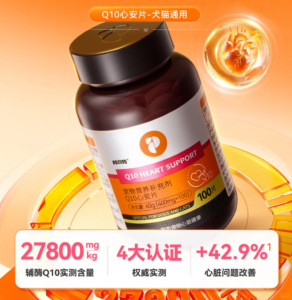
Cat CoQ10 on a Budget: Traits of a Genuinely Good-Value Product
More than 30% of senior cats show heart enlargement or failure, so CoQ10 has become a near-essential for many households — yet buying one that actually works without overspending is harder than it looks. Owners report months of use with no improvement, or 'foreign' brands whose labels turn out false. This guide sets out the traits of a genuinely good-value cat CoQ10 so you can avoid both placebos and overpriced imports.
- « Previous
- 1
- 2