Search Results
23 results for “Artificial lighting”
How do you get a baby bird to eat?
Wild baby birds eat insects brought by the mother; if none, offer cooked egg yolk and millet in small amounts with a suitable tool. Feed frequently in small portions to avoid indigestion. Some chicks eat only under light, so provide bright natural or artificial lighting. Seek a vet if it cannot feed itself.
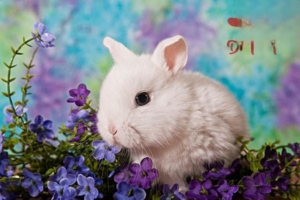
Winter Care for Rex Rabbits
Winter's cold, short days, and scarce greens threaten rex rabbits with illness and poor breeding, so hold the barn above 10°C (below 5°C is life-threatening), keep it dry and ventilated, add light, and warm kits. Feed more energy-rich food — roughly 23–25% of the diet — with nighttime meals at 60% of daily intake and some carrot or greens to avoid vitamin lack.

Why Doe Rabbits Have Low Estrus and Conception Rates
Low doe estrus and conception come from poor feed quality or mineral gaps, wrong body condition (best about 80 percent fill), low buck semen quality from heat or drugs, too little light (does need 16 hours daily), and poor weather. Fixing the real cause beats repeated estrus powders.

Precautions in Raising Rabbits
Keep rabbits apart from chickens (disease cross-infection like coccidiosis, pasteurellosis), avoid asbestos roofing (fiber cough), don't yank ears when handling, don't feed only silage (acidosis), avoid oral antibiotics, and ensure adequate light for breeding.
How Should You Feed a Baby Turtle in Winter?
In winter a turtle's metabolism slows, so keep it indoors above 20 C with regular clean-water changes and feed less to avoid polluting the tank. Brief noontime sun or artificial light supports its health.

Do Koi Need Light?
Koi need a certain amount of light—natural sunlight outdoors, or 8–10 hours of artificial aquarium lighting indoors. Proper light regulates their biological clock, supports plant growth and vivid color, while too much light fuels algae, so keep intensity moderate.

Goldfish
The goldfish (Carassius auratus), native to China, is the world's oldest ornamental fish with more than 125 varieties. This guide covers its taxonomy, body and head shapes, care, tank environment, and feeding.

Arowana
Arowana are large freshwater bony-tongue fish (family Osteoglossidae) prized worldwide as ornamental and feng shui fish. This guide covers their varieties, appearance, care, ideal environment, and feeding.

Home’s Hinge-back Tortoise
The Home's Hinge-back Tortoise (Kinixys homeana) is a shy, high-difficulty African tortoise known for its hinged rear carapace and a 90-degree rear shell drop. It prefers warm, humid conditions with ample shade and a varied omnivorous diet, but is prone to stress-induced sudden death, so it is not recommended for beginners.

What Factors Lower Winter Rabbit Breeding Rates?
A doe's fertility directly drives farm profit. Many farms report does not coming into heat, lowering breeding rates. Why? Read on to learn the causes.