Search Results
394 results for “Amoxicillin”
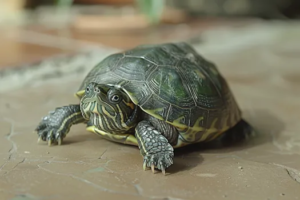
Internal Parasites in Turtles: Flukes and Protozoa
Flukes and protozoa are among the more common internal parasites in pet turtles, and knowing their signs helps you act before they drain your turtle's health. Flukes lodge in the liver, pancreas, and gut, causing appetite loss and bloody stool, while protozoa such as amoebas inflame the intestine and often trigger bacterial enteritis at the same time. Both are diagnosed through fecal checks and treated with specific dewormers plus gut support. This guide lays out the symptoms and the matching treatment for each parasite.

Why Pets Drool: Stomatitis and Periodontal Disease
Persistent drooling often points to mouth inflammation. Stomatitis can be contagious (virus-linked) and, in cats, often lifelong — a red line forms where gum meets tooth, with constant drooling. As it worsens, ulcers grow, the cat may stop eating and lose weight. Periodontitis, driven by bacteria and tartar, also causes drooling, bad breath, and tooth loss. Diagnosis needs an oral exam (often under anesthesia) and dental X-rays; treatment ranges from antibacterial rinses to antibiotics and, in severe tartar cases, extraction.
My cat has pink, blood-tinged urine
Blood in cat urine can signal a urinary tract infection, stones, or cystitis. See a vet for urinalysis and diagnosis. If a vet visit isn't immediate, you may give an amoxicillin-clavulanate anti-inflammatory, but distinguish it from normal estrus bleeding.

What Is Feline Haemobartonellosis?
Feline haemobartonellosis, also called infectious anemia, is a rare but serious disease caused by a blood parasite that attacks red cells and triggers their destruction. It spreads through bites, scratches, fleas and ticks, and from mother to kitten, with outdoor and unneutered males at higher risk. Signs range from fever and lethargy to pale, yellow-tinged gums; diagnosis is by blood smear or PCR. Treatment uses antibiotics such as doxycycline or enrofloxacin plus supportive care, though the cat stays a lifelong carrier.
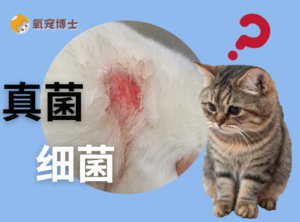
Cat Skin Redness and Hair Loss: Fungal or Bacterial?
A cat's skin normally carries small amounts of bacteria and fungi that only cause trouble when the skin barrier breaks. Fungal infection, usually Microsporum canis, shows as ring-shaped hair loss with a red raised edge and dry scales, and spreads slowly. Bacterial infection is usually secondary—after a scratch, bite, mite, or allergy—and appears as pustules and fast-growing ulcers. Telling them apart guides the right treatment.

Is Yellow Dog Urine Always a Sign of Internal Heat?
Yellow urine in dogs is not always from internal heat; it can also mean low water intake, liver trouble, or urinary tract issues, so judge by the actual cause. If it is simple internal heat, lighter meals and more water clear it up fast. Persisting yellow urine, especially with blood or painful urination, warrants a vet visit to check the liver or urinary system. Infections are usually bacterial and need veterinary antibiotics plus a urinary prescription diet and good hygiene.

Radiated Tortoise
One of the most beautiful star-patterned tortoises - a Madagascan CITES I species that is common in captivity yet wild-endangered. 'The rich man's sulcata'; hardy if set up right.

Actinomycosis in Dogs and Cats: Symptoms, Treatment, and Prevention
Actinomycosis is a chronic suppurative granulomatous disease caused by Actinomyces. Lesions favor the face, neck, chest, and abdomen, spreading to surrounding tissue to form fistulas that drain pus containing sulfur granules. High-dose, long-course penicillin works for most cases; surgery to drain abscesses and remove fistulas is also needed. It is not contagious.

Staphylococcal Infection (Staph) in Dogs and Cats: Symptoms, Treatment, and Prevention
Staphylococcal disease is a group of acute or chronic infections caused mainly by Staphylococcus aureus and related species, presenting in many forms such as arthritis, tendosynovitis, pododermatitis, omphalitis, and staphylococcal septicemia. Staphylococcus intermedius is a key cause of canine pyoderma.

Salmonellosis in Dogs and Cats (Paratyphoid): Symptoms, Treatment, and Prevention
Salmonellosis (paratyphoid) is an acute septicemic disease caused by Salmonella. Early signs are gastroenteritis (diarrhea, vomiting) that can progress to nosebleeds and bloody stools. It is zoonotic and can cause abortion in pregnant dogs and cats.