Search Results
394 results for “Amoxicillin”
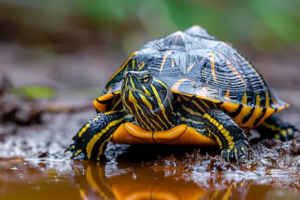
What Are the Common Diseases in Aquatic Turtles?
Common aquatic-turtle diseases—shell rot, colds, digestive illness, parasites, and white-eye disease—usually stem from poor feeding, dirty food, or bad water. Manage water quality and diet, keep the habitat right, and feed clean food to cut risk. Each condition has distinct signs and a targeted treatment, from shell cleaning to warm-water isolation.
What medicine can a cat with a cold and sneezing take?
For a cat with a cold and sneezing, oral doxycycline, amoxicillin-clavulanate, or cefalexin tablets can help relieve symptoms; these are common cold medicines for cats. But sneezing is not always caused by a cold, so the cause must be confirmed before medication. Allergies or feline rhinotracheitis can also cause sneezing, and the treatment differs, so never give medicine randomly.
How to handle a dog vomiting and having diarrhea?
Stop food and water at once, photograph the vomit, and go to a vet to find the cause. If a vet is inaccessible, give anti-emetics, anti-diarrhea drugs like amoxicillin and smectite, plus probiotics. If no relief, see a vet; it may be parvovirus.

What Medicine Helps a Dog Recover Quickly from Bloody Stool?
Blood in a dog's stool can stem from parasites, hemorrhagic gastroenteritis, ulcers, pancreatitis, or infections like parvovirus and coronavirus. The key step is a vet exam to find the cause—never self-medicate blindly; supportive care, deworming, or surgery follow the diagnosis.
Why is my cat vomiting water?
Vomiting water usually signals digestive trouble: indigestion, infection, or toxins. Frequent vomiting needs urgent vet care; occasional cases can be managed with fasting plus meds and probiotics, then rechecked.
Common dog diseases and their treatments
Common issues are parasites, skin disease, viral infections, respiratory and digestive problems, each needing specific prevention and treatment.
What cold medicines are commonly used for cats?
Most cold medicines for cats are antibiotics, such as amoxicillin clavulanate, enrofloxacin, and marbofloxacin. Always follow a vet's dosage guidance and avoid human cold medicine.
How is feline cystitis treated?
Treatment depends on the cause. Bladder stones require dissolving or anti-inflammatory therapy, and possibly surgery if they block the urethra. Bacterial infections are treated with antibiotics like cephalosporins or amoxicillin-clavulanate plus diuretics. Idiopathic cystitis focuses on pain relief, anti-inflammation, and stress reduction, often with a prescription urinary diet.
What medicine should a dog with enteritis take?
Dog enteritis usually needs anti-inflammatory and intestinal-mucosa-protecting drugs. Try amoxicillin-clavulanate or cephalosporin anti-inflammatories, paired with omeprazole, bismuth subcarbonate, or tannic acid protein to protect the gut and stop diarrhea. Feed light, digestible food and add probiotics. If symptoms persist, get a virus test for parvovirus or coronavirus.
What are the signs of a dog’s urinary tract infection?
Signs include frequent, scanty or painful urination, accidents, dribbling, cloudy urine with pus and odor, plus lethargy and low appetite. Treat with amoxicillin-clavulanate or cephalosporins and flush with saline.