
Feline Infectious Respiratory Diseases: Causes, Treatment, and Prevention Disease Prevention
1 Feline Infectious Respiratory Diseases Clinical signs of feline infectious upper respiratory disease include lethargy, anorexia, sneezing, conjunctival congestion, purulent nasal discharge, and drooling; severe pneumonia may lead to respiratory distress or even death. What makes upper respiratory infections dangerous is their high transmissibility. Transmission is not merely airborne; it occurs mainly through contaminated fomites,...
What to Know About Flea Prevention for Pets Disease Prevention
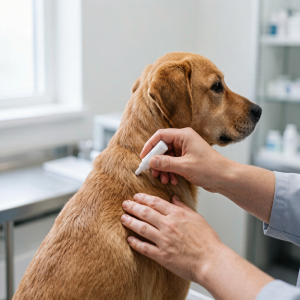
1 Flea Prevention Essentials A bite from these wingless bloodsuckers itches for days, and if you find one flea, you can bet more are hiding in your carpets, furniture, bedding, and on your pet. Some dogs are highly sensitive and easily develop flea allergy dermatitis, one of the most common skin diseases in pets. Notably,...

What to Do When Your Cat Sneezes Disease Prevention
1 Cat Sneezing: Causes and Prevention An occasional sneeze or two may just be the nose expelling a tiny irritant. But if sneezing persists for days and comes with nasal discharge or watery eyes, take it seriously, your cat may have a cold. Take a cat cold seriously, as it can lead to other illnesses....

Cat Deworming Schedule and Precautions Disease Prevention
1 Cat Deworming: Schedule, Parasites, and Care Is deworming necessary? Parasites are among the few cat diseases controllable by prevention; deworming costs little time, energy, and money to keep the cat healthy. Many parasites are zoonotic, so timely deworming protects your and others' health. Common parasites Roundworm (internal) Cat roundworm hosts are mostly rodents; some...

Feline Infectious Peritonitis (FIP): Symptoms and Treatment Disease Prevention
FIP has always been one of the feline diseases that owners are very wary of, not only because of high medical costs but also because the cat may lose its life because of it. This article mainly helps everyone correctly understand feline infectious peritonitis, as well as how to diagnose and prevent it, and view...

The Truth About Cat Vaccinations Disease Prevention
1 What Every Cat Owner Should Know About Vaccinations When a kitten is first born, its energy comes from the mother; as it grows, this energy dwindles and its body is still weak, so vaccines are needed at this stage to boost immunity and help fight viruses. A cat must be over 2 months old...
How to Prevent Parasites in Dogs Disease Prevention
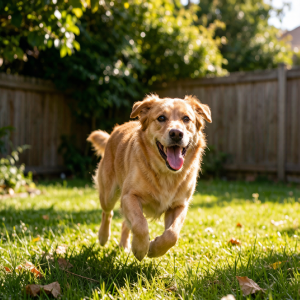
A parasite is an organism that lives in another organism, called the host. The dog is a host for parasites. Often, the parasite needs the dog's body to survive and can harm the dog.

What Is Canine Parvovirus? Disease Prevention
Canine parvovirus (CPV) is a single-stranded DNA virus infecting unvaccinated dogs of any age; CPV-2 is the most virulent and a top cause of severe puppy enteritis. Higher-risk breeds include Rottweilers, Dobermans, Pit Bulls, English Springer Spaniels, and German Shepherds. It evolved from feline panleukopenia (CPV-1) and emerged as CPV-2 (1978), then 2a, 2b, 2c....

Can Cats and Dogs Take Propranolol? Disease Prevention
Propranolol (brand Inderal) is a beta-blocker that lowers heart rate, cardiac output, myocardial oxygen need, and blood pressure by blocking beta-adrenergic receptors. In dogs and cats it is used (vet-prescribed, extra-label; not FDA-approved for animals) to treat or prevent arrhythmias (atrial fibrillation/flutter), supraventricular tachycardia, ventricular premature complexes, systemic hypertension, and hypertrophic cardiomyopathy, and in cats...

Cat Deworming: Methods and Timing Disease Prevention
Parasites are among the few cat illnesses you can actually prevent. A regular deworming schedule protects your cat — and since many parasites are zoonotic, it protects you too. Here is what to know about internal and external parasites and when to treat.