
Cockatiel: Habits and Breeding Performance Breeding
The cockatiel is a quiet, musical parrot that is hardy, disease-resistant and easy to keep, but needs a metal cage (it chews wood) and a varied diet. Its breeding season runs August to December, with 4–7 white eggs incubated about 18–20 days, and it can raise 3–4 clutches a year. Stop breeding in hot July–August...

Why Do Chinese Li Hua Cats Have a High Abandonment Rate? Breeding
The Li Hua (Chinese rural) cat has survived millennia of natural selection — hardy, strong, and disease-resistant, so it should be very popular. Yet its abandonment rate is high, mainly because it is too easy to get. This article explains the reasons.
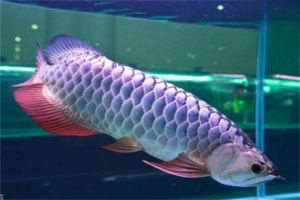
Silver Arowana: Morphology and Breeding Methods Breeding
The silver arowana is all silver, peaceful and easy to keep, but grows fast and can exceed 1 m, so it needs a spacious tank. It is a mouth-brooder: choose one healthy male (6–8 yrs, 50–60 cm) and one female (7–9 yrs, 40–50 cm), keep the tank absolutely quiet during spawning, and the male will...

Golden Arowana: Morphology and Breeding Methods Breeding
The golden arowana comes mainly as the crossback and the red-tailed golden, which look alike when young but differ as they grow — the crossback's gold crosses the fifth scale row and shines brighter. Choose healthy, pure-line broodstock (one male and one female) and keep the tank completely quiet during spawning, since disturbance makes the...

Things to Know When Introducing Meat Rabbit Breeding Stock Breeding
Choosing healthy, well-bred stock from a reputable rabbitry is the foundation of meat rabbit production. Introduce stock in mild seasons, start with a modest number of 3–4 month juveniles, keep a sensible male-to-female ratio, and source from more than one place to avoid inbreeding. Give new arrivals quiet time and their familiar feed to reduce...

How to Tell Male and Female Blood Parrot Cichlids and Breed Them Breeding
Blood parrot cichlids are beautiful, smart ornamental fish loved for their color and odd shape. To breed them, first learn to tell males from females, then the breeding method. This article covers both.
What to Do When Your Fish Tank Water Turns Green Water Care
Many fish keepers have seen their tank water turn green. This is usually caused by an overgrowth of green and brown algae, which crowds out plants and fish, absorbs oxygen, and can even release toxins. Here is how to fix it for good.

How to Tell Male and Female Koi Apart, and How to Breed Them Breeding
Young koi are hard to sex, but at maturity males grow faster as juveniles while females become larger with a fuller belly. Tell them by head shape, rounded (female) vs pointed hard (male) pectoral fins, and the vent—protruding and wide in females, narrow and recessed in males. In season, males show rough white nuptial tubercles...

When Do Red-Eared Sliders Start Laying Eggs, and What Are the Signs Before They Lay? Turtle Care
Red-eared sliders can lay eggs at 4-5 years old, with the breeding peak from June to September. Before laying, females become restless, eat less, and dig insistently - keep the nest area quiet, warm (22-30 C), and humid (around 80%).

Why Does My Dog Keep Pacing Indoors? Breeding
Indoor pacing usually means your dog needs to burn off energy, is excited, stressed, or in heat. Rule out pain or neurological issues if pacing comes with howling or unresponsiveness, and ensure daily exercise plus a calm environment.