Japanese Bobtail
2 Photo Gallery
View All 5 Photos

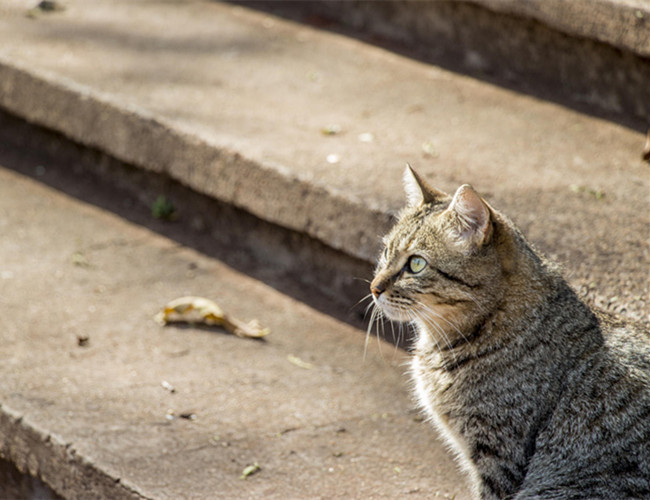

1 Japanese Bobtail Breed Overview
Japanese Bobtail (details)
The Japanese Bobtail, also known as the Lucky Cat (Maneki-neko), is very popular in Japan. Cat lovers, upon hearing ‘lucky,’ surely want to bring one home. Wait, let’s learn about this little lucky cat together!
The breed origin of the Japanese Bobtail
The Japanese Bobtail is a native Japanese cat breed whose history in Japan traces back many centuries. It was introduced to the US and improved through breeding. It is said an American cat lover living in Japan found a cat with a short, rabbit-like tail and found it cute. After World War II, she brought several cats home. These cats are the ancestors of today’s Japanese Bobtail. Now the Japanese Bobtail has joined the ranks of world-famous ornamental cats, but it is not yet recognized in Britain. The Japanese Bobtail often raises one front paw when sitting, said to represent auspiciousness; the tortoiseshell-and-white cat is considered very lucky. The tricolor cat often appears in literary works and paintings of various countries. The Japanese Bobtail is also called the calico cat or short-tailed calico; with a long history, some believe it was brought to Japan from China or Korea over 1000 years ago. Japanese people consider the calico cat a symbol of luck, so many families keep them. Introduced from Japan to the US in 1968, but few are kept in Europe.
The breed introduction of the Japanese Bobtail
The Japanese Bobtail, also known as the Japanese bobtailed cat, is a breed produced by genetic mutation. It has about a 1000-year history in Japan; some believe it was brought from China or Korea over 1000 years ago. Its tail is only about 10 cm long, making it, with the Manx, one of the shortest-tailed cat breeds. Among Japanese Bobtails, the tricolor is most popular, but red-white and white cats are also common. The Lucky Cat image comes from the Japanese Bobtail; its curled tail is 5 to 10 cm long. It has high cheekbones and a long nose; eyes are upturned round ovals. Sturdy build, well-developed muscles. The popular calico is almost always female genetically. The Japanese Bobtail has unique Oriental features and very smooth coat. All coat colors are recognized, but the white, black, and brown mixed calico is most popular. They are cheerful, affectionate, and care for kittens meticulously.
The purchase price of the Japanese Bobtail
The Japanese Bobtail’s purchase price is around 8000 to 10000, with some over 10000. White is the base color; tricolor is more precious, and there are also dark tiger-stripe-like and other colors.
2 Japanese Bobtail Physical Characteristics
Japanese Bobtail (details)
The Japanese Bobtail has a slender body, thick bones, well-proportioned torso, clear body lines, and more developed muscles than other Oriental cats, moving nimbly.
The physique of the Japanese Bobtail
Head: Triangular, high cheekbones.
Ears: Erect.
Eyes: Large and round, slightly upturned outer corners, somewhat ‘slanted.’
Nose: Long, wide and round.
Limbs: Long, hind legs longer than front.
Paws: Moderate size, oval.
Tail: Short, only 5 to 7 cm, but flexible in movement.
Coat: Medium length, soft as silk, glossy.
Coat color: Bright; white is the base color, tricolor is more precious, and there are also dark tiger-stripe-like patterns and other colors.
3 Japanese Bobtail Temperament
Japanese Bobtail (details)
The Japanese Bobtail is naturally smart, gentle and tame, with a cute expression and beautiful voice. It is healthy, agile, lively and active. The male is steady and generous, the female elegant and graceful, friendly, lively, and loves to run and play, very suitable for family keeping.
Care of the Japanese Bobtail
Bathing
Cats unaccustomed to bathing hate being wet. So bathe once a month to four times; just bathe when dirty. Starting around four months after birth helps form the habit of a bath-loving cat. Before bathing, clean ears, trim nails, brush well. If mats found, even small, handle promptly, once wet they become felt-like and hard to comb. Fill the tub with warm water, let the cat stand in, then shower or pour water to soak to the roots. Wet the head gradually with gauze. Apply shampoo in order neck, chest, head, then gently scrub with fingertips like massage; after lathering, carefully wash the bottom and paws, especially dirty areas. Rinse with shower or bucket in order neck, chest, tail, head. Watch water temperature; keep shampoo and foam out of eyes. For very dirty, wash twice. After fully rinsing, apply conditioner, then rinse. Gently blot water, wrap in towel to absorb, then dry with dryer from hip to neck. Watch temperature to avoid burns. After drying, comb and brush.
4 Japanese Bobtail Care Tips
Japanese Bobtail (details)
Besides giving your cat a stable home, do you care about its ‘basic needs’? Keeping a pet isn’t just shelter and food; proper care and attention matter. All life is equal; love it, treat it well, because you are its everything in its short dozen-year life.
Care of the Japanese Bobtail
Coat grooming
The shorthair cat’s long tongue lets it groom itself, so it doesn’t need daily brushing, twice a week suffices. If the owner brushes too much, the cat won’t groom itself. The owner can hold the cat and stroke the coat with hands without tools, smoothing the fur and increasing affection. Tools for shorthair: fine-tooth comb, soft bristle brush, rubber brush, chamois. Care is simple: spend a little time daily holding it, gently stroking with warm hands, the best care, helping transfer coat oils for shine. House cats shed year-round, and the American Shorthair is no exception, so regularly feed hairball paste to clear stomach hairballs and care for the digestive tract.
Oral care
Regular dental care effectively slows plaque causing periodontitis. Methods: brushing is most effective. The vet will show how to use cat-designed toothbrush and toothpaste. Two methods: wipe teeth with soft towel or sterile gauze, then apply garlic juice with cotton to teeth and gums; use small tweezers to remove leftover food between teeth. Use oral freshener daily in drinking water to clean the mouth. If tartar exists, take to a professional animal hospital. Avoid feeding soft food; long-term canned or softened dry food loosens teeth in old age, letting bacteria grow in food residue.
5 Japanese Bobtail Feeding Requirements
Japanese Bobtail (details)
Cat lovers know cats are carnivores and love fish, and the Japanese Bobtail is no different. But don’t feed live fish (parasites) or cooked fish (choking hazard). Actually feed mainly cat food; snacks and cans in moderation, or nutrition becomes unbalanced or obesity results.
Feeding the Japanese Bobtail
Cat food is mainly meat and fish, so somewhat expensive; for nutrition it costs too much. So use cat food wisely, economical, nutritious, convenient. Dry food, nutritionally balanced, divided into dry, canned, semi-moist. Dry is comprehensive nutrition; add water. Flavors beef, chicken, fish, crispy, chewy, cheap, easy to store; use mainly. Add enough water when feeding. Canned is popular for variety and taste, shrimp, fish; not all nutrients, so mix with dry. Canned stores long but spoils after opening. Semi-moist is between, good for old cats.